You’re halfway through a long drive, your playlist is perfect, and your dog is quietly resting in the back seat. Then suddenly, you notice heavy panting, restlessness, and a look that says something isn’t right. Moments like this remind you that pet travel isn’t just about getting from one place to another. It’s about keeping your companion safe every mile of the journey.
Traveling with pets can be a joy, but it comes with real risks that are often overlooked until they become urgent problems. The good news is that most of these risks are preventable with the right preparation and awareness.
Key Takeaways
- Most common pet travel risks come from lack of planning, not bad luck
- Simple steps like hydration, restraint, and routine checks can prevent serious issues
- Every trip needs a basic safety strategy, not just a packed bag
- Understanding your pet’s behavior is just as important as having the right gear
What Is Pet Travel Safety?
Pet travel safety refers to the steps you take to protect your pet’s health, comfort, and security while moving from one place to another.
It includes everything from proper restraint and hydration to managing stress and avoiding environmental risks.
Why Pet Travel Can Be Risky
Many pet owners assume that if their pet is calm at home, they’ll behave the same way during a trip. That’s not always true. New environments, motion, and unfamiliar sounds can trigger reactions you’ve never seen before.
Even a short trip can expose pets to risks like dehydration, injury, or escape. Understanding these risks is the first step toward making pet travel safer and more predictable.
7 Common Pet Travel Risks and How to Avoid Them
1. Travel Anxiety and Stress
Pets thrive on routine. When that routine changes, anxiety often follows. You might notice whining, pacing, or refusal to eat.
How to avoid it:
- Bring familiar items like their blanket or favorite toy
- Try short practice trips before long journeys
- Use calming techniques or consult a vet for pet travel anxiety solutions
2. Heatstroke and Dehydration
One of the most dangerous yet preventable risks. Cars can heat up quickly, even with windows slightly open.
How to avoid it:
- Always carry portable water bowls for pets
- Plan frequent stops for hydration
- Never leave your pet unattended in a parked car
According to the American Veterinary Medical Association, temperatures inside vehicles can rise rapidly within minutes, putting pets at serious risk.
3. Improper Restraint During Travel
Unrestrained pets can be injured during sudden stops or even distract the driver.
How to avoid it:
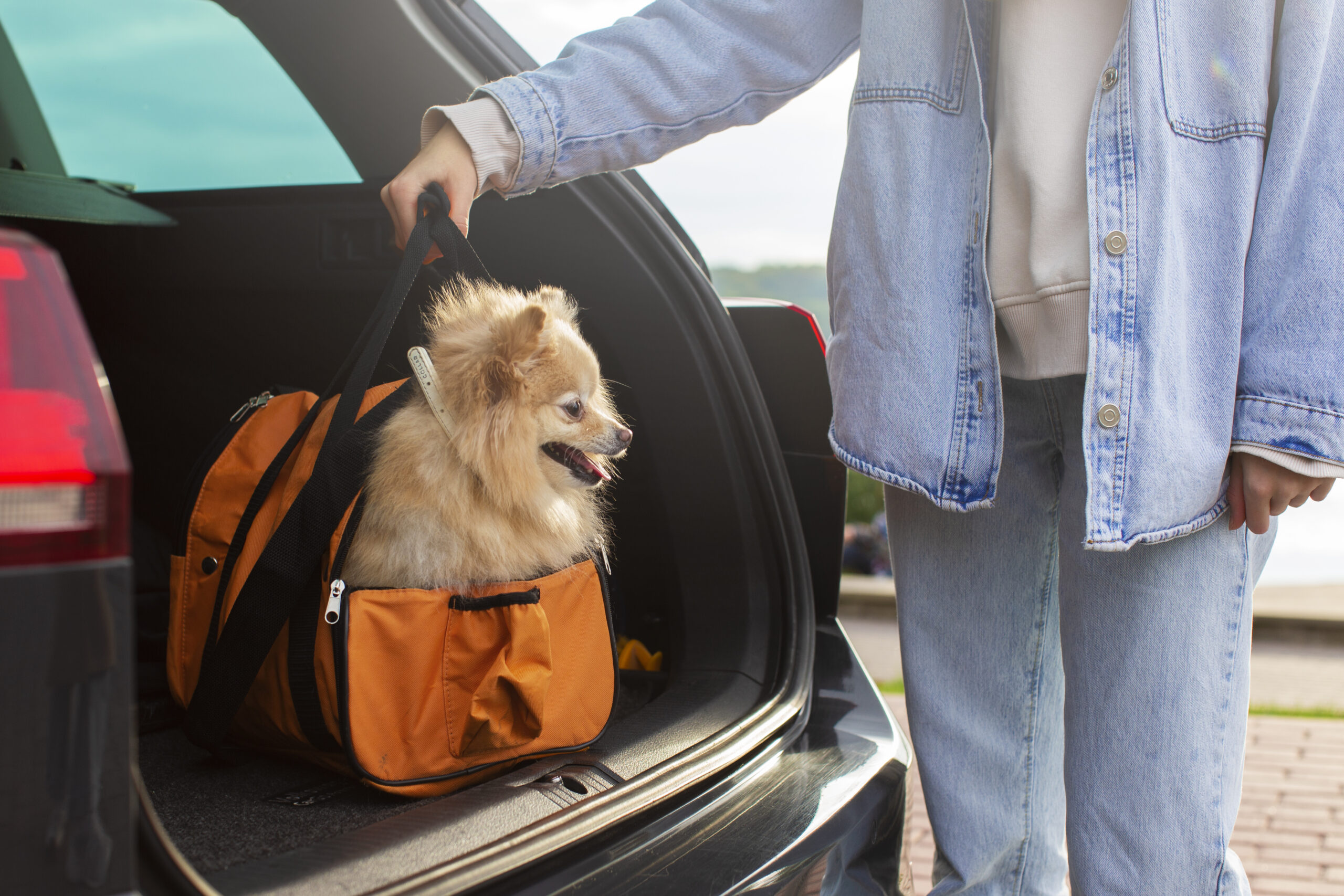
- Use a dog seat belt harness or travel crate for pets
- Follow proper pet carrier safety practices
- Keep pets in the back seat, never the front
4. Risk of Escape
New environments can make even well-trained pets panic and run.
How to avoid it:
- Use secure leashes during rest stops
- Ensure pet identification tags and microchipping are updated
- Be extra cautious in unfamiliar locations
5. Motion Sickness
Just like humans, pets can feel nauseous during travel.
How to avoid it:
- Avoid feeding large meals right before travel
- Keep airflow consistent
- Ask your vet about pet motion sickness remedies
6. Lack of Health Preparation
Skipping a vet visit before travel can lead to unexpected health issues.
How to avoid it:
- Schedule a vet check before traveling with pets
- Ensure pet vaccination before travel is up to date
- Carry a basic pet first aid for travel kit
7. Exposure to New Environments
Different locations bring unfamiliar bacteria, parasites, and hazards.
How to avoid it:
- Avoid letting pets roam freely
- Research your destination in advance
- Follow hotel safety tips for pets and rest stop safety for pets
A Simple Framework for Safe Pet Travel
If you’re unsure where to start, think of this as your go-to system:
5-Step Pet Travel Safety Framework
- Prepare – Pack a complete pet travel checklist
- Secure – Use proper restraints and carriers
- Hydrate – Keep water accessible at all times
- Monitor – Watch for signs of stress or illness
- Adapt – Adjust based on your pet’s behavior
This approach turns overwhelming planning into something manageable and practical.
Common Mistakes to Avoid
| Practice | When it helps | Simple cue | Mistake |
| Using a crate | Long trips | “Secure space” | Letting pets roam freely |
| Hydration breaks | Hot weather | “Every 2 hours” | Waiting until signs appear |
| Vet check | Before travel | “Plan ahead” | Skipping health checks |
| ID tags | Outdoor stops | “Always attached” | Assuming pets won’t run |
A Real-Life Scenario
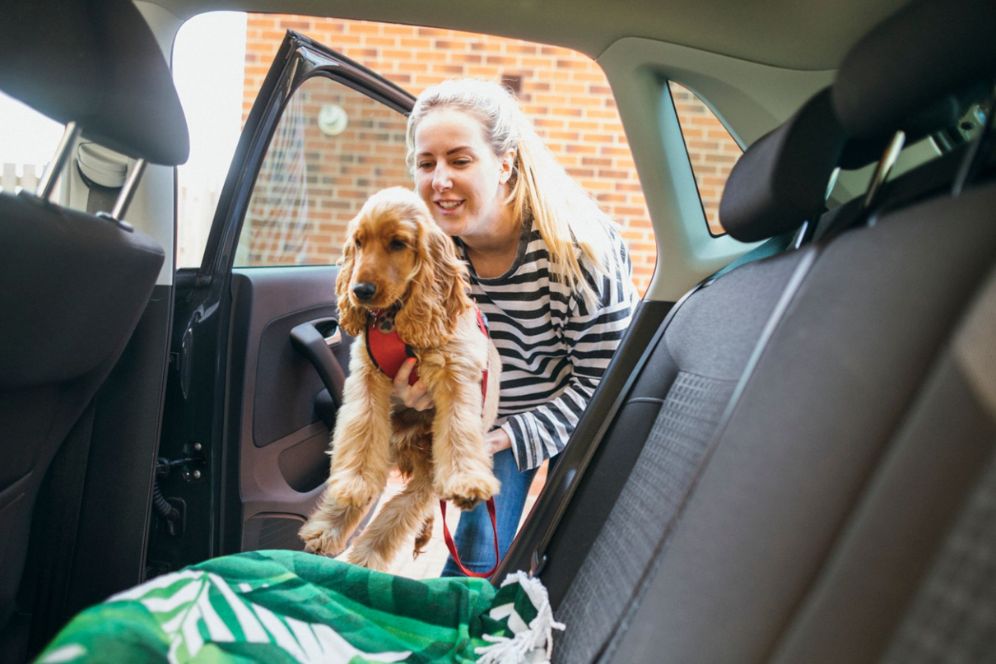
Imagine you’re on a road trip with your dog. You stop at a rest area, open the door, and in a split second, your dog bolts. It’s not disobedience, it’s fear mixed with unfamiliar surroundings.
Now imagine the same situation, but your dog is wearing a secure harness, microchipped, and you’re holding a firm leash. The outcome is completely different.
That’s the difference preparation makes in pet travel.
A Thought to Keep in Mind
“An ounce of prevention is worth a pound of cure.” Benjamin Franklin
This couldn’t be more relevant when it comes to traveling with pets. Small steps taken early can prevent serious problems later.
Planning for Stress-Free Pet Travel
Many people think traveling with pets is complicated. In reality, it’s about consistency and awareness. A solid pet travel planning guide doesn’t require perfection, just attention to detail.
From packing pet travel essentials to following basic pet transportation safety tips, every small effort adds up. Whether it’s a short trip or long distance pet travel safety planning, the goal is always the same: keep your pet comfortable and protected.
For those who prefer professional help, working with a trusted service like the best pet transport company in St. Petersburg, Fl, such as PUP Mobile, can simplify the process and reduce stress for both you and your pet.
Conclusion
Traveling with your pet should feel exciting, not stressful. Most risks don’t come from travel itself but from a lack of preparation. When you understand what could go wrong and take simple steps to prevent it, the entire experience changes.
Safe pet travel is less about control and more about awareness. Pay attention to your pet’s needs, plan ahead, and stay flexible. That’s how you turn a potentially stressful journey into a smooth and memorable one.
Summary
Traveling with pets comes with risks, but most of them are preventable. From anxiety and dehydration to improper restraint and escape, each issue has a clear solution. With the right planning, tools, and awareness, you can create a safer and more comfortable experience for your pet. In the end, preparation is what separates a stressful trip from a smooth one.
FAQs
1. How can I make pet travel less stressful?
Start with short trips, bring familiar items, and maintain a calm environment. Gradual exposure helps reduce anxiety.
2. What should be included in a pet travel checklist?
Essentials include food, water, medical records, leash, carrier, and identification tags.
3. How often should I stop during a road trip with my pet?
Every 2–3 hours is ideal for hydration, bathroom breaks, and stretching.
4. Is it safe to let pets roam freely in the car?
No, unrestrained pets can be injured or cause distractions. Always use proper restraints.
5. Do pets need a vet check before traveling?
Yes, especially for long trips. It ensures your pet is healthy and ready for travel.