Training your dog effectively requires the right tools, and one of the most essential tools is the best dog training treats. Treats help reinforce positive behavior, improve learning, and keep your dog motivated.
Choosing high-quality treats ensures your pet stays healthy while still enjoying the rewards. Understanding how best dog training treats work, which ingredients to look for, and how to use them appropriately will help pet owners achieve better results during training. From puppies to adult dogs, proper training treats are crucial for creating consistent behavior and healthy reinforcement habits. Additionally, treats can be a helpful tool to calm pets during emergency pet transportation when needed.
What Makes the Best Dog Training Treats Effective?
The effectiveness of the best dog training treats depends on several factors, including texture, size, nutritional content, and palatability. Treats should be small enough for repeated rewards during a session but tasty enough to motivate your dog. They can also be especially useful during critical pet transport services to help keep pets calm and manageable.
Key Traits
- High-value flavor: Dogs respond better to particularly appealing treats.
- Soft texture: Soft treats are easier for puppies and older dogs to chew quickly during training.
- Low calorie: Prevents overfeeding, especially when using multiple treats per session.
- Natural ingredients: Fewer artificial additives reduce the risk of digestive upset.
By selecting treats with these traits, owners can maximize the effectiveness of training sessions while promoting long-term health.
Types of Dog Training Treats
There are several options for the best dog training treats, each with specific benefits for different dogs and training methods.
- Soft dog training treats: Ideal for quick rewards and gentle on teeth.
- Low-calorie dog training treats: Perfect for repeated reinforcement without excess calories.
- Natural dog training treats: Made from whole-food ingredients, safer for sensitive stomachs.
- High-value rewards: Often used for critical behaviors, emergency recall, or advanced commands.
Choosing the right type ensures that training sessions remain engaging, positive, and effective.
Emergency Preparedness and Treats
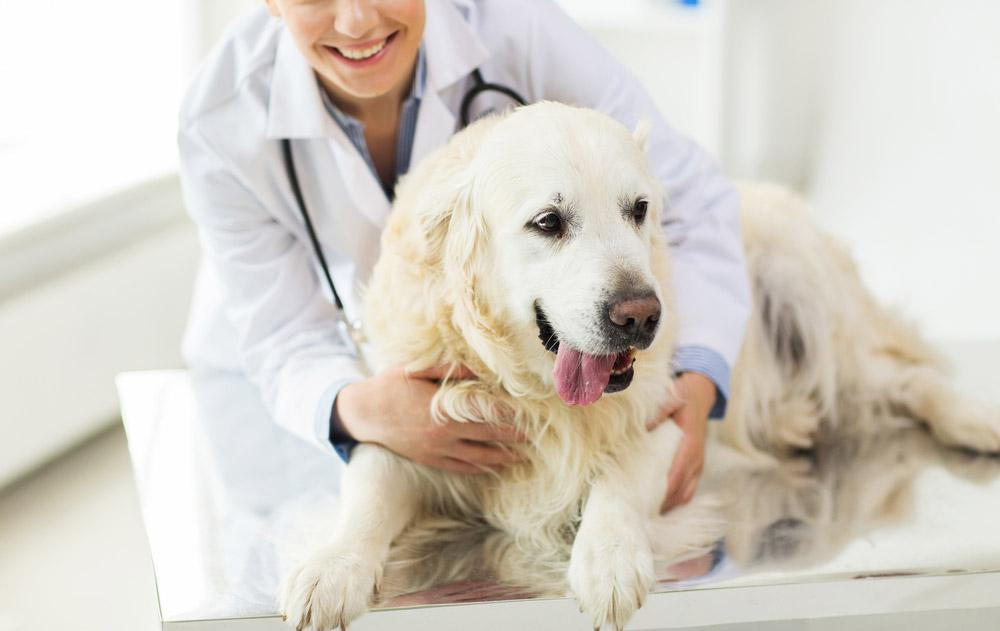
Even while focusing on training, pet owners should be aware of situations requiring emergency pet transportation. In emergencies, treats can be a helpful tool to keep pets calm during transit to veterinary facilities. Understanding proper handling during critical times complements routine training and supports overall pet well-being.
How to Use Dog Training Treats Effectively
Using the best dog training treats correctly is as important as choosing the right ones. Consistency, timing, and moderation are key.
Tips for Effective Training
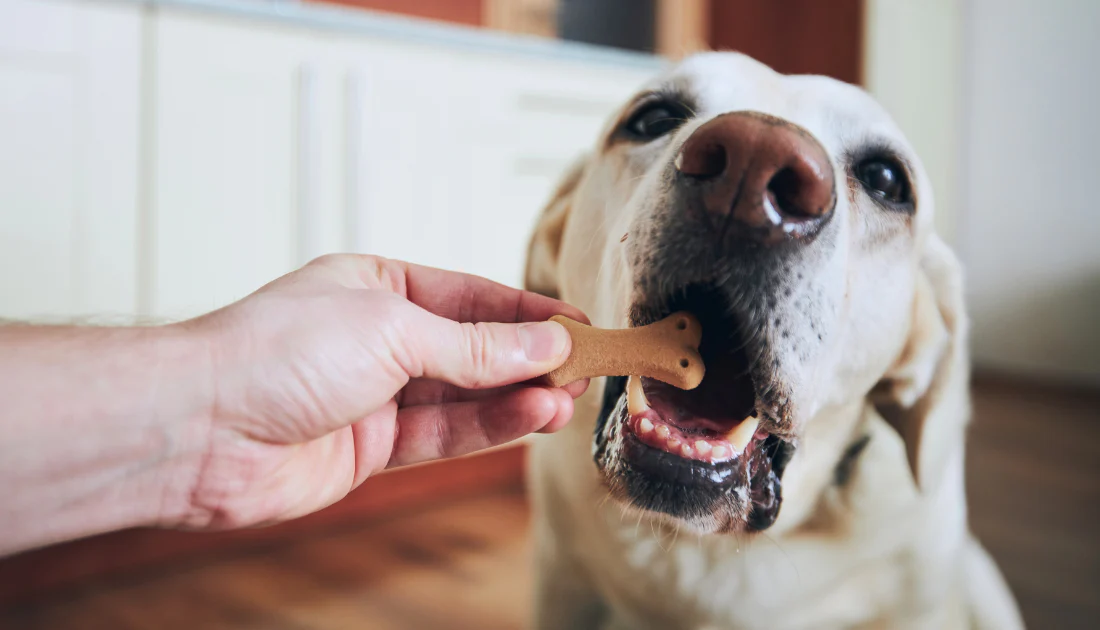
- Reward immediately after the desired behavior
- Keep treats small to allow for multiple repetitions
- Use treats to reinforce positive behavior, not as a bribe
- Combine treats with verbal praise or petting for stronger reinforcement
- Treats can also help during urgent veterinary transport to keep pets calm
When used properly, treats become a powerful tool in shaping behavior, reducing stress, and improving learning outcomes.
Nutritional Considerations
Selecting the best dog training treats also involves understanding their nutritional content. Treats should complement your dog’s regular diet rather than replace meals.
- Avoid high-fat or sugary treats that may cause weight gain
- Prioritize treats with protein-rich ingredients for energy
- Consider dietary restrictions, allergies, or sensitivities
- Maintain balance between calories from treats and regular meals
Nutritional awareness ensures training rewards contribute to long-term health.
Table: Comparison of Popular Dog Training Treats
| Type | Ideal For | Key Benefits | Typical Use |
| Soft Dog Training Treats | Puppies, seniors | Easy to chew, quick reward | Repeated training sessions |
| Low-Calorie Dog Training Treats | All dogs | Prevents overfeeding, weight management | Frequent reinforcement |
| Natural Dog Training Treats | Sensitive stomachs | Minimal additives, safer ingredients | Daily training or rewards |
| High-Value Treats | Advanced commands | Highly motivating, strong flavor | Critical behaviors, recall |
This table helps pet owners select the best dog training treats based on dog age, health, and training goals.
Training Puppies vs Adult Dogs
Puppies and adult dogs have different needs when it comes to the best dog training treats. Puppies often require softer treats that are easy to chew and digest, while adult dogs may benefit from slightly firmer options. Using treats thoughtfully can also be helpful during emergency pet transportation to keep pets calm in stressful situations.
Key Differences
- Puppies: Smaller size, soft texture, high palatability
- Adult dogs: Slightly firmer, nutrient-dense options
- Consistency: Use small treats frequently for puppies; adults can tolerate slightly larger rewards
Adapting treats to age and size ensures training remains safe and effective.
Critical Pet Transport Services and Training
Even in non-training scenarios, understanding critical pet transport services is essential. Pets may need urgent care for medical emergencies. Keeping training treats on hand can help calm pets during urgent veterinary transport or while awaiting emergency pet transportation services.
Using treats strategically in these situations provides comfort, reduces stress, and ensures pets remain manageable during critical moments.
Common Mistakes in Using Dog Training Treats
Many pet owners make mistakes when using the best dog training treats. Common errors include overfeeding, inconsistent rewards, and using treats for punishment instead of positive reinforcement. Avoiding these mistakes ensures that treats remain an effective training tool.
Mistakes to Avoid
- Giving too many treats per session
- Using treats inconsistently
- Using low-value treats for high-difficulty behaviors
- Ignoring nutritional content
Proper use of treats supports behavioral progress and maintains pet health.
Safety and Quality Standards
When selecting the best dog training treats, safety is a priority. Avoid treats with artificial additives, preservatives, or excessive fillers. High-quality treats enhance training effectiveness while reducing the risk of digestive issues. They can also be a useful tool to help pets stay calm during critical pet transport services.
Conclusion
Choosing the best dog training treats is crucial for effective, healthy, and enjoyable training. Selecting treats based on texture, nutritional content, and palatability ensures pets stay motivated and healthy. Understanding the proper use of treats also prepares pet owners for critical situations and complements broader pet wellness practices. Having treats on hand can also help pets remain calm during urgent veterinary transport if needed.
For additional support, pet owners can rely on a pet emergency transport service in St. Petersburg, FL, during urgent situations. Combining safe training practices with reliable emergency support ensures pets remain healthy, calm, and responsive at all times. Contact Pup Mobile at dirk.johnson.dj@gmail.com or call +1 888-710-4190 to learn more about emergency pet transport options and services.
FAQs
What makes the best dog training treats effective?
They are small, palatable, nutrient-balanced, and easy to chew, allowing for frequent and consistent reinforcement during training.
Are low-calorie dog training treats better for daily training?
Yes. Low-calorie treats allow for frequent rewards without contributing to weight gain or overfeeding.
Can puppies and adult dogs use the same training treats?
Not always. Puppies need softer, smaller treats, while adults can handle slightly firmer options.
How many training treats should I give during one session?
Treats should be small and given immediately after dethe sired behavior. Multiple small rewards are preferable to one large treat.
Are natural dog training treats safer than processed options?
Yes. Natural treats reduce the risk of digestive upset and contain fewer artificial additives compared to processed alternatives.