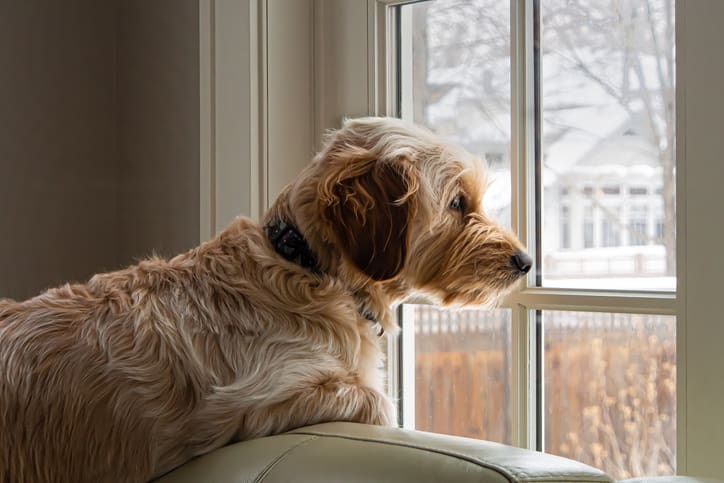
You close the front door, grab your keys, and step out for what should be a normal day. But behind you, your dog isn’t settling in for a nap. Instead, there’s pacing, barking, maybe even scratching at the door. By the time you return, the room tells a story you didn’t expect.
If that sounds familiar, you’re not dealing with a “bad dog.” You’re likely seeing Dog Separation Anxiety in action.
What Is Dog Separation Anxiety?
Dog Separation Anxiety is a condition where a dog experiences intense distress when left alone or separated from its owner. It’s not misbehavior. It’s a stress response driven by fear and emotional dependency.
Key Takeaways
- Dogs don’t act out of spite. Anxiety drives their behavior
- Early signs are subtle but escalate quickly if ignored
- Routine, training, and environment all play a role
- With the right approach, most dogs can improve significantly
The Problem Most Owners Misread
It’s easy to assume your dog is just bored or stubborn. But dog anxiety when left alone runs deeper. This is about emotional security, not entertainment.
Many owners first notice dog behavior problems when alone like torn cushions or nonstop barking. Others deal with quieter signs like dog pacing behavior or dog whining when left alone.
The truth is simple. When your dog feels unsafe without you, they don’t know how to cope.
Dog Separation Anxiety Symptoms You Shouldn’t Ignore
Recognizing early dog separation anxiety symptoms can save you a lot of stress later.
Common signs include:
- Excessive barking dog alone or howling
- Destructive chewing in dogs, especially near doors
- Indoor accidents in trained dogs
- Dog escape attempts, sometimes leading to injury
- Restlessness or pacing
These are not random habits. They are signals.
Why Does This Happen? (The Real Causes)
There isn’t a single trigger. Most cases build over time.
Here are the most common causes:
- Dog routine changes stress like new work schedules
- Moving house dog anxiety or unfamiliar environments
- Rescue dog anxiety issues due to past abandonment
- Strong dog attachment issues
- Lack of dog independence training, especially in puppies
Even something as simple as the first time leaving a dog alone can trigger anxiety if not handled carefully.
A Simple Framework to Understand the Behavior
Think of it in three layers:
- Trigger – You leaving the house
- Emotional Response – Fear, confusion, stress
- Behavior – Barking, chewing, pacing
If you only fix the behavior, you miss the root. Real progress comes from addressing the emotional response.
How to Treat Dog Separation Anxiety (Step-by-Step)
Here’s a practical, proven way to start:
- Start with short absences and gradually increase time
- Keep arrivals and departures calm and low-key
- Use mental stimulation toys for dogs before leaving
- Practice dog desensitization training with routine cues
- Reward calm behavior using positive reinforcement dog training
This is the foundation of separation anxiety in dogs treatment that actually works.
What Actually Helps vs What Backfires
| Practice | When it helps | Simple cue | Mistake |
| Crate training for anxious dogs | Mild to moderate anxiety | Calm, safe space | Using crate as punishment |
| Interactive dog toys for anxiety | Short absences | Keeps mind engaged | Over-relying on toys |
| Routine building | Daily stability | Fixed schedule | Inconsistency |
| Gradual departures | Training phase | Small steps | Leaving too long too soon |
How to Calm an Anxious Dog in Real Life
Imagine this.
You’ve just started a new job and are working full time with a dog at home. The first week is rough. Your dog barks, scratches, maybe refuses food.
Instead of reacting emotionally, you shift strategy. You introduce leaving dog alone training tips, shorten your absences, and build routine.
Within a few weeks, your dog starts settling.
This isn’t magic. It’s consistent.
As Cesar Millan once said:
“Exercise, discipline, and affection in that order.”
That balance is everything.
Dog Anxiety Solutions That Build Independence
One of the biggest mistakes owners make is constant attention. It feels loving, but it creates dependency.
To truly help your dog:
- Encourage solo time even when you’re home
- Practice build dog independence gradually
- Avoid emotional goodbyes
- Use calm signals instead of excitement
This is how long-term dog anxiety prevention works.
When It Becomes Severe
Some cases turn into severe separation anxiety in dogs, where behavior becomes intense or dangerous.
You might see:
- Self-harm from escape attempts
- Nonstop barking for hours
- Extreme panic reactions
In these cases, professional guidance matters. A vet or trainer can guide separation anxiety dog training more effectively.
A Quick Reality Check (Stat That Matters)
According to the American Kennel Club, separation anxiety affects a significant number of dogs, especially those adopted or rehomed. You can read more here:
You’re not alone in dealing with this.
A Common Misconception
Many people believe dogs will “grow out of it.” That’s rarely true.
Without guidance, anxiety often becomes a habit. That’s why early puppy separation anxiety training matters so much.
Where Lifestyle Plays a Role
Your daily life directly affects your dog.
Situations like:
- Leaving dog home alone for long hours
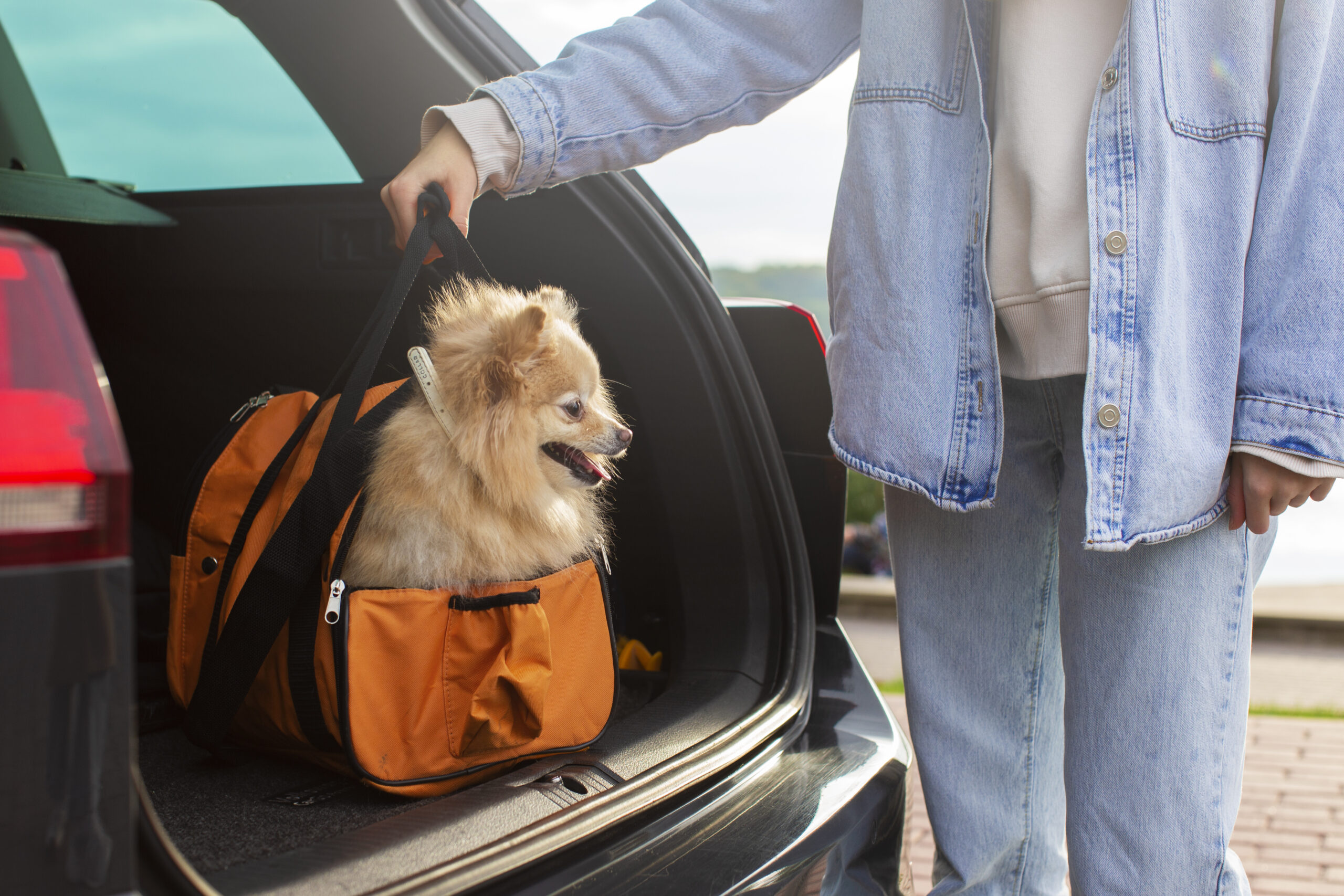
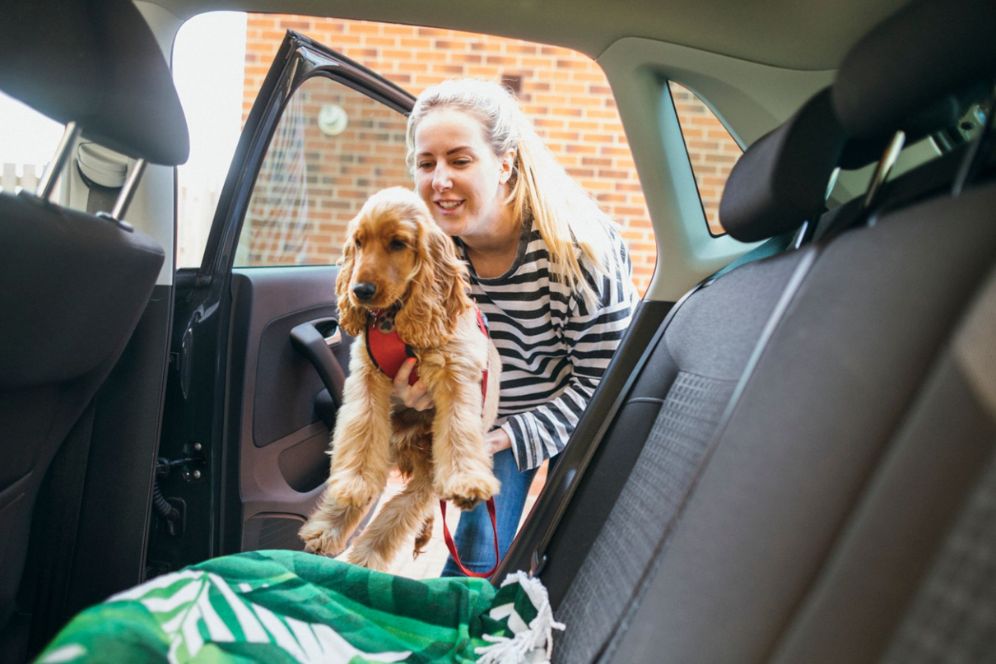
- Dog anxiety during travel
- New home dog adjustment
All of these influence behavior. The goal isn’t perfection. It’s stability.
Even experienced teams like PUP Mobile, known as a trusted pet care company in St. Petersburg, emphasize routine and calm transitions as the foundation of good pet behavior.
Conclusion
Dog Separation Anxiety isn’t about a difficult pet. It’s about a dog that hasn’t learned how to feel safe alone.
When you understand that, everything changes.
You stop reacting to the mess and start addressing the emotion behind it.
With patience, structure, and the right training approach, most dogs learn to cope. Not perfectly, but enough to feel calm, secure, and at ease in their own space.
Summary
Dog Separation Anxiety is a stress-driven condition, not bad behavior. It shows up through barking, destruction, or restlessness when a dog is left alone. The causes often relate to routine changes, attachment, or lack of independence training. With consistent routines, gradual training, and calm handling, most dogs can learn to manage their anxiety effectively.
FAQs
1. How long does Dog Separation Anxiety last?
It depends on the dog and training consistency. Mild cases improve within weeks, while severe cases may take months.
2. Can dogs outgrow separation anxiety?
Not usually. Without proper training, the behavior often continues or worsens over time.
3. How to stop dog barking when alone?
Focus on training, not punishment. Use gradual separation, mental stimulation, and calm routines.
4. Is crate training good for anxious dogs?
It can help if introduced positively. A crate should feel like a safe space, not confinement.
5. What is the best treatment for separation anxiety in dogs?
A mix of dog anxiety help, structured routines, and dog anxiety solutions like desensitization and reinforcement training works best.