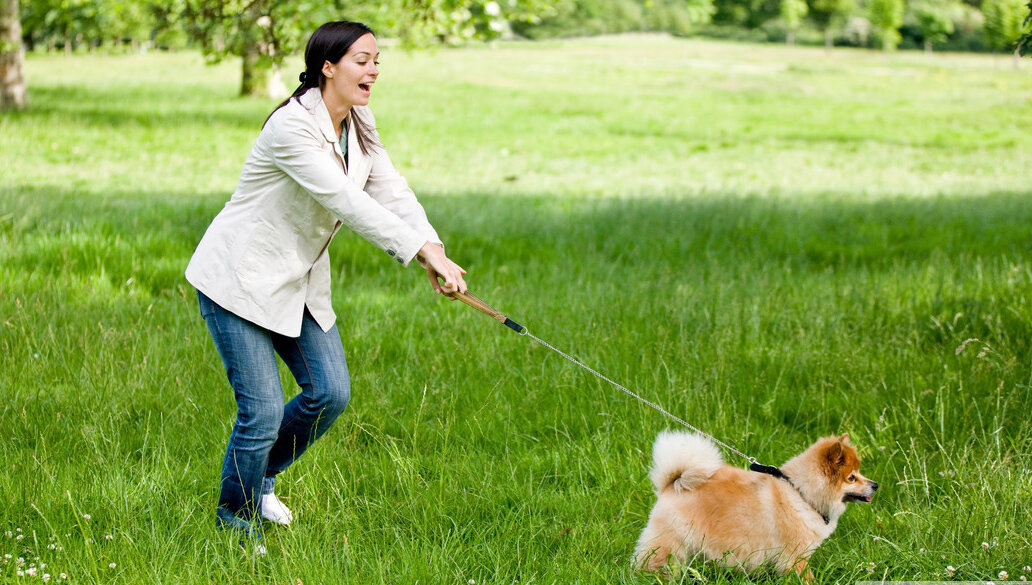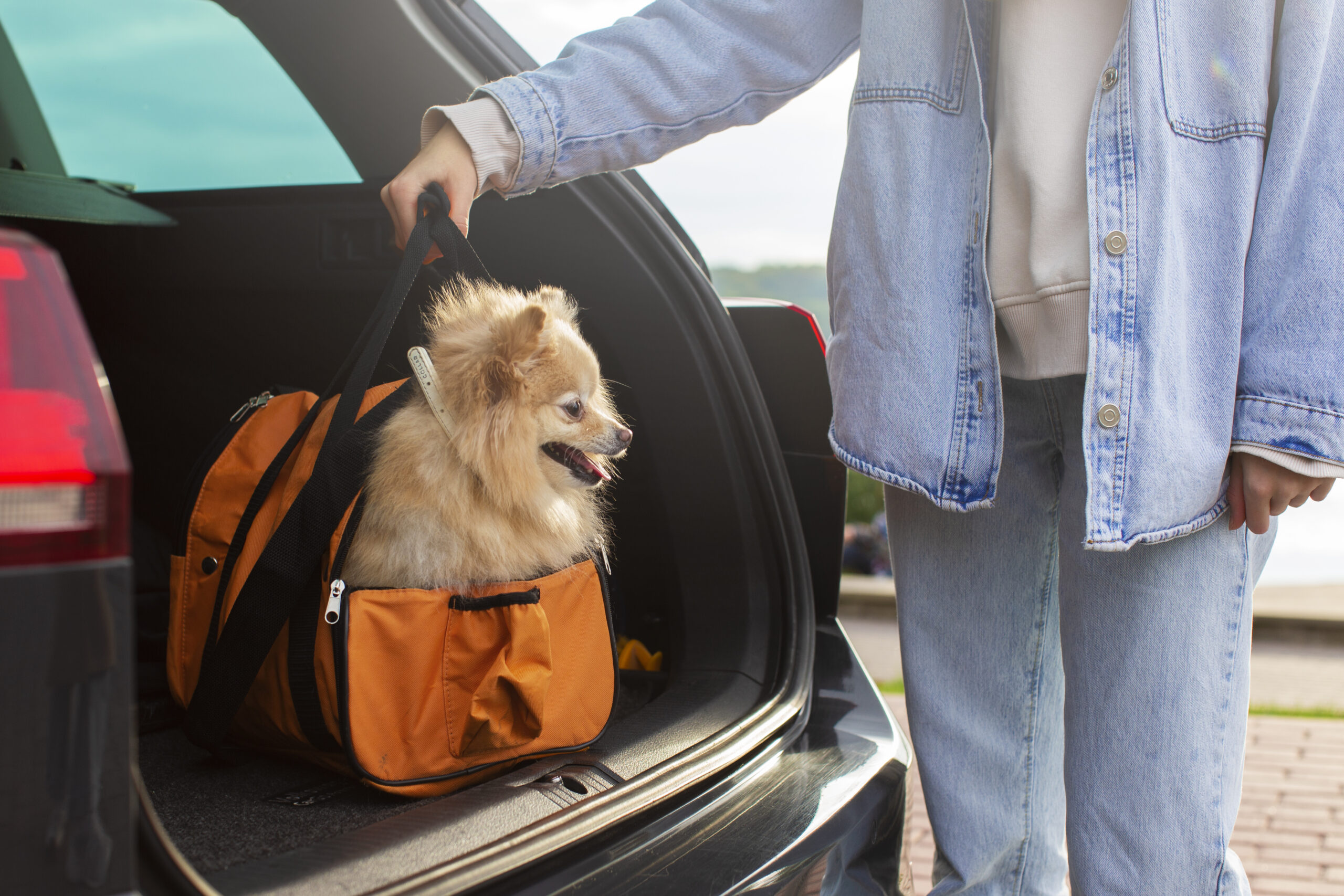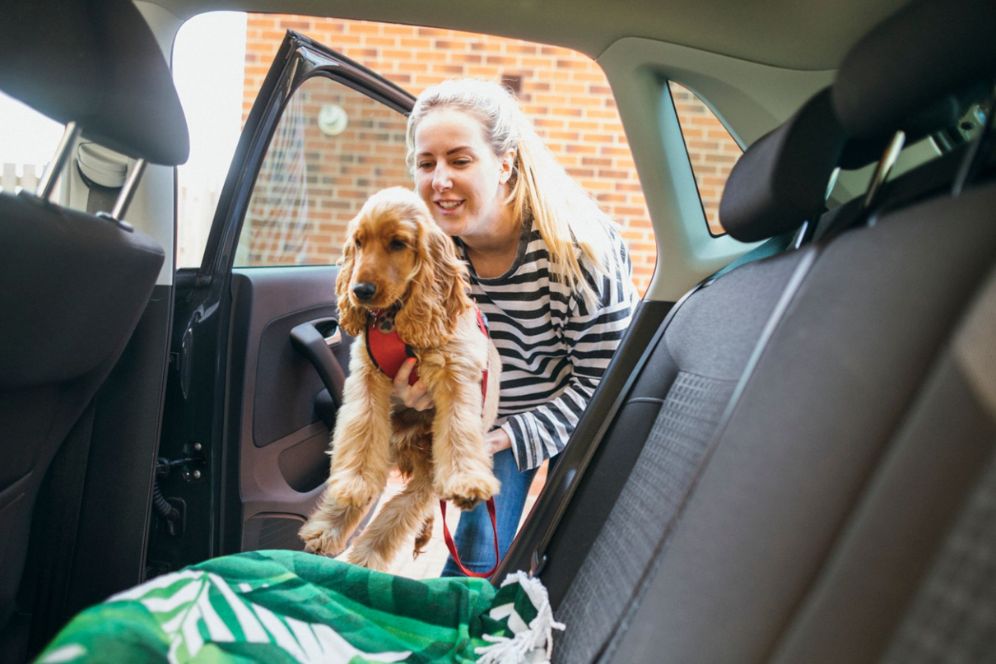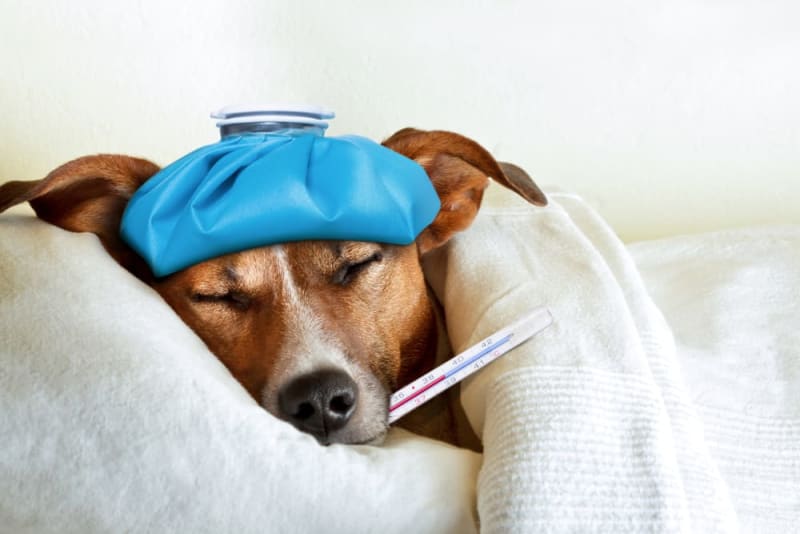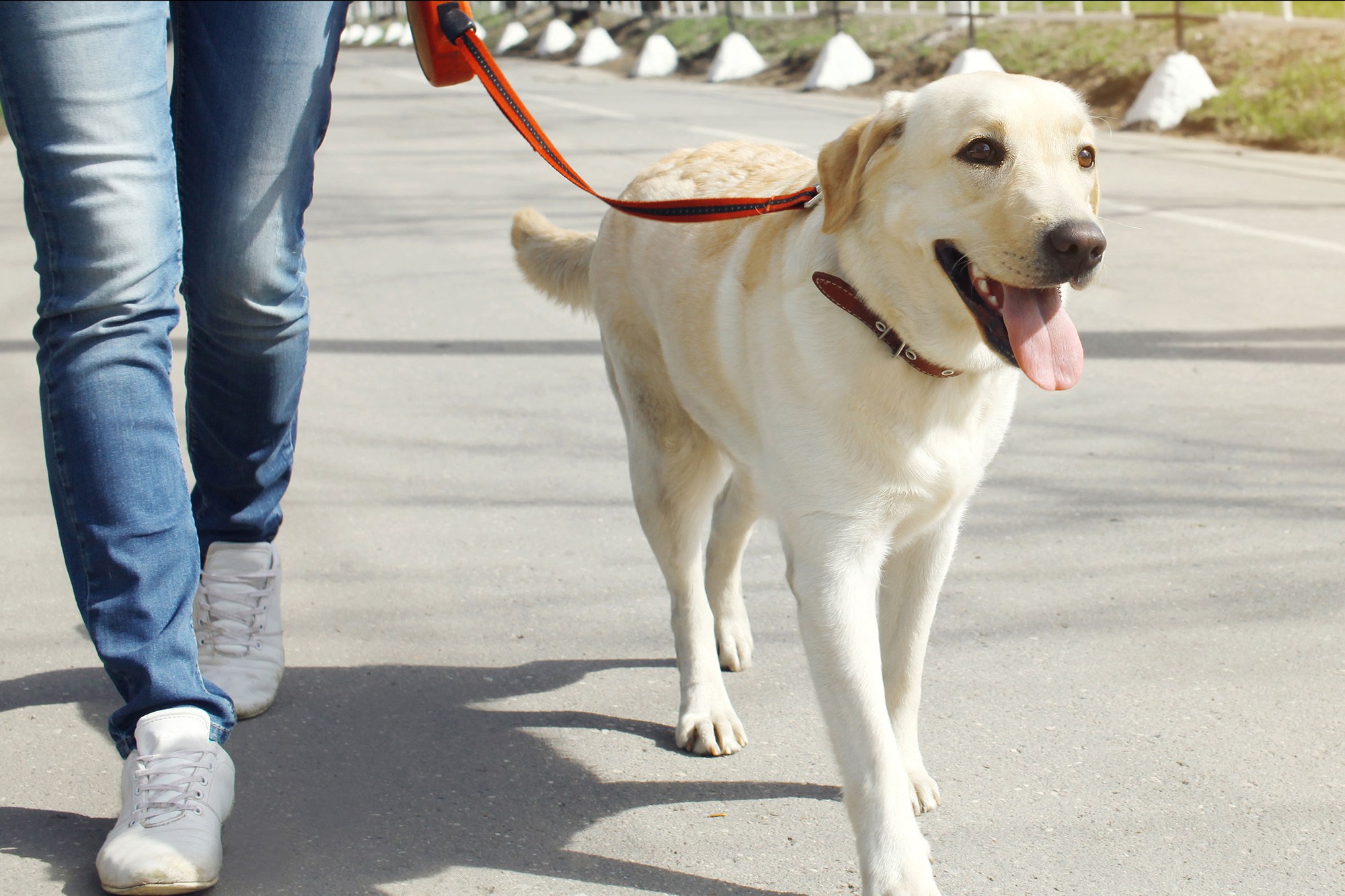
A quiet evening walk can turn in seconds. One moment your dog is sniffing along happily, the next they yelp after stepping on something sharp. In that split second, your mind goes blank. What do you do first? What actually helps?
That gap between panic and action is exactly where Dog First Aid matters most.
This guide is built for those moments. Not theory. Not overcomplicated steps. Just clear, calm actions you can actually use when your dog needs you most.
Key Takeaways
- Small, fast actions in the first few minutes can reduce complications significantly
- Knowing basic Dog First Aid helps you stay calm during emergencies
- Not every injury looks serious at first, but hidden signs matter
- Preparation matters just as much as response
When Seconds Matter: Understanding the Real Problem
Most pet owners don’t struggle because they don’t care. They struggle because they freeze.
A cut paw, sudden limping, vomiting after eating something unknown, or a fall from furniture can all look different, but they share one thing: you need to act before things escalate.
This is where Dog First Aid tips become essential, not optional. You are not trying to replace a vet. You are simply buying time safely and preventing the situation from getting worse.
Even a simple decision like “should I move my dog or keep them still” can change outcomes in dog injury treatment situations.
A Simple Definition of Dog First Aid
Dog First Aid is the immediate care given to a dog after an accident or sudden illness before professional veterinary treatment is available.
It focuses on stabilizing the dog, reducing pain, preventing further injury, and recognizing when urgent vet care is needed.
What to Do First in an Emergency
When an accident happens, follow these canine first aid steps in order:
- Stay calm and secure the area so your dog cannot get further injured
- Check breathing and alertness without forcing movement
- Look for visible injuries like bleeding, swelling, or limping
- Apply basic pressure to stop bleeding if needed
- Contact a vet or emergency clinic immediately
This simple flow is the core of effective Dog First Aid response in real situations.
First Response Mindset: Slow Down Before You Act
One of the most common mistakes in dog accident care is rushing in without assessing the situation.
A dog that looks “fine” may still have internal injuries. A dog that looks severely injured may only have a minor wound. Your first job is observation, not action.
Watch for:
- Unusual silence or confusion
- Heavy breathing or trembling
- Refusal to stand or walk
- Sudden aggression due to pain
These are often early veterinary emergency signs in dogs that owners miss.
Practical Dog First Aid in Real Situations
Let’s break down what actually helps in common accidents.
1. Cuts and Bleeding
For minor wounds:
- Apply clean cloth or gauze
- Press gently to control bleeding
- Keep the area clean with water if available
This is basic dog bleeding first aid, and it often prevents infection when done early.
2. Sprains and Limping
If your dog is limping after a jump or fall:
- Limit movement immediately
- Avoid forcing the leg
- Let rest do the initial healing
This is typical dog sprain treatment at home before vet confirmation.
3. Possible Fractures
If you suspect a fracture:
- Do not try to straighten the limb
- Keep your dog still and supported
- Transport carefully to a vet
This is critical dog fracture first response behavior.
4. Heat or Poisoning
- Move dog to shade and offer small amounts of water in heat
- Do not induce vomiting without vet advice in poisoning cases
These situations fall under urgent dog heatstroke emergency care and dog poisoning first aid.
Dog First Aid Framework: CALM Method
To make things easier in real emergencies, use this simple framework:
- C – Check the situation and breathing
- A – Assess visible injuries and behavior
- L – Limit movement to prevent further harm
- M – Manage bleeding, shock, or heat until help arrives
This approach keeps your response structured when emotions are high.
Common Mistakes in Dog First Aid
Even well-meaning owners make errors during emergencies.
| Practice | When it helps | Simple cue | Mistake |
| Cleaning wounds | Minor cuts | Gentle rinse | Using harsh chemicals |
| Moving dog | Only if safe | Support body | Lifting injured limbs randomly |
| Applying pressure | Active bleeding | Clean cloth | Pressing too hard on fractures |
| Cooling dog | Heat stress | Gradual cooling | Ice-cold shock treatment |
Understanding these avoids turning a small issue into a serious dog trauma care basics situation.
A Real-Life Scenario
A dog owner notices their pet suddenly yelp during a park walk and starts limping badly.
Instead of rushing, they:
- Stop walking immediately
- Check for visible injury
- Avoid letting the dog run further
- Carry the dog back slowly
At the clinic, it turns out to be a minor sprain, not a fracture. Early Dog First Aid prevented worsening the injury just by limiting movement.
Small decisions matter more than perfect knowledge.
Why Preparation Changes Everything
You don’t need medical training to be effective. You need readiness.
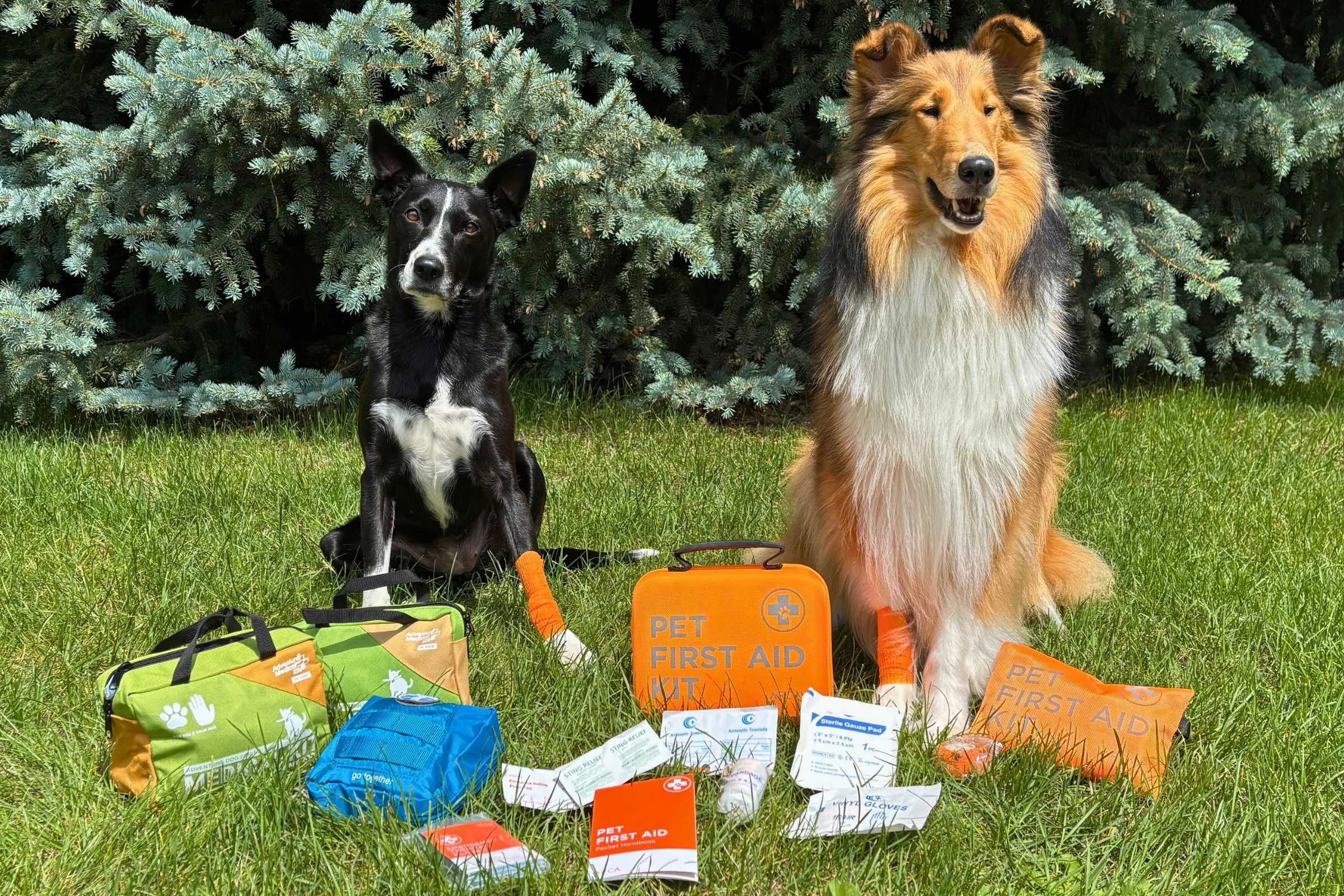
A basic pet emergency kit should include:
- Gauze and bandages
- Antiseptic wipes
- Digital thermometer
- Saline solution
- Gloves
This is part of smart pet emergency preparedness, not panic buying.
Even services like a trusted pet care company in St. Petersburg, such as PUP Mobile, often emphasize preparation because emergencies rarely give warning.
When You Should Not Wait
Some situations require immediate veterinary care without delay:
- Heavy bleeding that doesn’t stop
- Unconsciousness or collapse
- Difficulty breathing
- Suspected poisoning
- Severe trauma or fractures
These are moments where emergency vet care for dogs is not optional.
Supporting Insight: The Bigger Picture
According to the ASPCA Animal Poison Control Center, it handles over 400,000 cases annually related to pet poisoning incidents.
Source: https://www.aspca.org/pet-care/animal-poison-control
This highlights something important. Many emergencies are not rare accidents. They are common situations that catch owners unprepared.
Bringing It All Together
At its core, Dog First Aid is not about memorizing medical procedures. It’s about staying steady when your dog depends on you most.
Accidents will happen. That part is unavoidable. What you control is your response in those first few minutes.
The more familiar you become with basic dog emergency response, the less panic takes over. And the faster you can move from fear to action.
Summary
Dog emergencies often feel overwhelming, but simple actions can make a real difference in the first few minutes. Understanding basic Dog First Aid helps you respond calmly and effectively. Most situations improve when you focus on stability, not perfection. With preparation and awareness, you can protect your dog when it matters most.
FAQ
1. What should I do first if my dog gets injured?
Stay calm, check breathing, and look for visible injuries before taking action.
2. Can I treat dog wounds at home?
Minor cuts can be cleaned and covered, but deep wounds need veterinary attention.
3. How do I know if my dog’s injury is serious?
Signs include heavy bleeding, limping, collapse, or unusual behavior.
4. Should I move my dog after an accident?
Only if necessary for safety. Otherwise, limit movement until assessed.
5. What should be in a dog first aid kit?
Basic items include bandages, gauze, antiseptic wipes, gloves, and saline solution.